The Tea Party’s Revolution and the Battle over American History
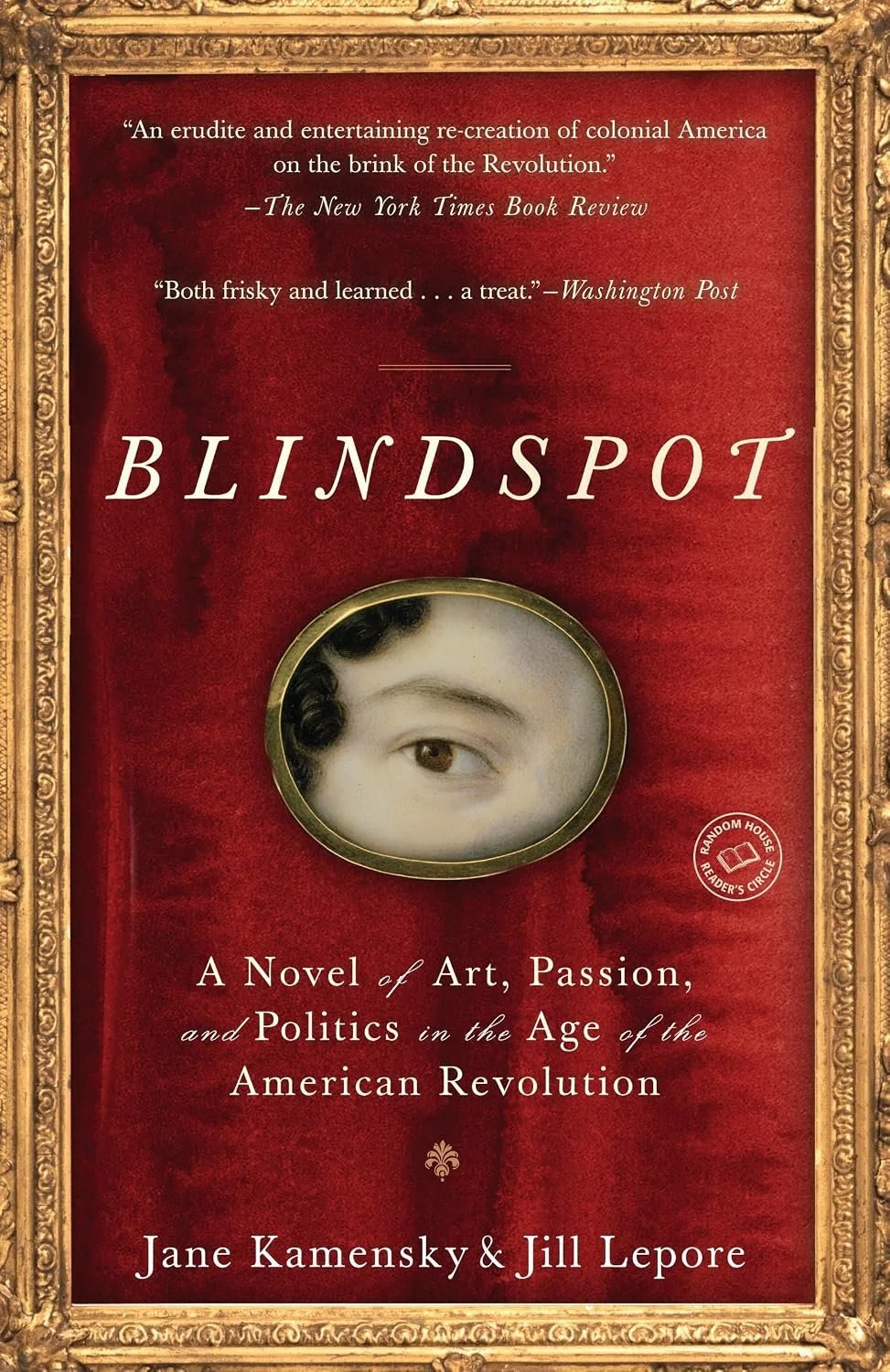
Written with wit and exuberance by accomplished historians, Blindspot is an affectionate send-up of the best of eighteenth-century fiction. It celebrates the art of the Enlightenment and the passion of the American Revolution by telling stories of ordinary people caught up in an extraordinary time.
New York Times Book Review Editors’ Choice. Blindspot is a twenty-first century novel in eighteenth-century garb. It plays with the conventions of eighteenth-century novels, newspapers, portraits, and histories. Novels look for a different kind of truth than history books, and while Blindspot is fiction, it relies on our work as historians, on every page. Much that happens in the novel is based on actual events and adapted from archival evidence chronicling both ordinary life and extraordinary transformations. The American Revolution. The Enlightenment. The eighteenth century’s bawdiness, its anticlericalism, its obsessions with wit and sham and rank and pleasure. A few of Blindspot’s characters were inspired by real people; many of its buildings are based on buildings that still stand; its portraits resemble paintings that now hang on the walls of American museums. A sizable number of very short passages in the text are taken nearly verbatim from eighteenth-century letters, newspapers, account books, diaries, sermons, novels, poems, riddles, philosophical treatises, and legal records. We quoted, we borrowed, we took liberties. But we also kept faith with the past.
—Jane Kamensky and Jill Lepore